Infrared Thermal Imaging Inspections
What is Thermal Imaging?
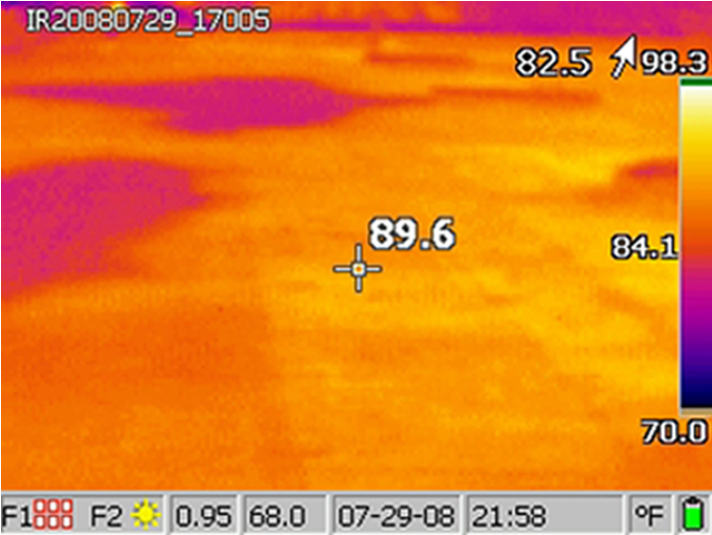
Infrared thermal imaging inspection is a non-invasive predictive maintenance tool that uses infrared cameras to reveal temperature differences invisible to the naked eye. Because damaged wiring, failing bearings, worn insulation, and trapped roof moisture typically run hotter or colder than healthy equipment and materials, a certified thermographer can pinpoint problems long before they cause an unplanned shutdown, safety incident, or costly repair. For industrial and commercial facilities, that means catching issues during scheduled maintenance instead of during an emergency.
The Preferred Process
We use the latest infrared cameras and certified thermographer training to deliver accurate, actionable results. Every infrared thermal imaging inspection follows the same process:
- Survey the facility to determine all factors that may affect long-term performance, such as building construction, deck type, roof traffic, height, slope, chemical exposure, budget, and moisture.
- Evaluate the project carefully and offer a competitive, formal estimate.
- Consult with involved personnel to determine your specific needs and requirements.
- Conduct “pre-job meetings” to ensure our production personnel are fully aware of the specifications, expectations, safety, and personal requirements of each customer.
- Project follow-up to ensure every aspect of quality, design, and performance has been met.
What can we use infrared thermal imaging on?
Electrical Infrared Inspections
Loose or corroded connections, overloaded circuits, and failing components generate excess heat long before they trip a breaker or start a fire. We use infrared thermal imaging to inspect electrical panels and connections, bus ducts, transformers, and load imbalances — while your systems stay running, no shutdown required.
Roof & Building Moisture Surveys
Trapped moisture beneath a roof membrane holds heat differently than dry insulation, making it visible to an infrared camera long before a leak shows up inside the building. We scan wet roofing and insulation, and check tank contents, to catch problems while repairs are still small and affordable.
Mechanical & Process Equipment Inspections
From the production floor to plant utilities, infrared thermography flags the early heat signatures of wear and failure. We regularly inspect robotic welders, molds and castings, mixing temperatures, paper rollers, gear boxes, furnaces and kilns, steam traps, hydraulics, extrusions, motors, bearings, pumps, boilers, compressors, and belt drives.