An industrial floor isn’t something you replace every few years without noticing the cost. Between production downtime, equipment moves, and the price of materials, a botched flooring project can set a facility back tens of thousands of dollars and months of disruption. Yet most facility managers go through this process only once every decade or two, which means they’re evaluating flooring contractors without the benefit of firsthand comparison.
That gap is exactly where projects go wrong. Two companies can quote the same square footage and the same epoxy system and deliver wildly different results, because the coating is only half the job. Surface preparation, crew experience, and scheduling discipline determine whether that floor lasts 5 years or 15. Here’s what to ask before you sign a contract.
Why the Contractor Matters as Much as the Coating
Epoxy and urethane flooring systems are engineered products, but their performance in the field depends almost entirely on installation quality. A coating applied over a poorly profiled slab will delaminate regardless of how good the resin is. A crew unfamiliar with a food processing plant’s washdown schedule can shut down a production line for days longer than necessary. The questions below are designed to surface those risks before they show up in your facility.
Questions to Ask Before Hiring an Industrial Flooring Contractor
1. How much of your work is industrial and commercial flooring specifically? General flooring contractors and residential epoxy garage floor companies are not the same as industrial flooring contractors. Ask how many industrial or commercial projects the company completes in a typical year, and whether they’ve worked in facilities similar to yours, such as manufacturing plants, warehouses, or food and beverage processing environments with different chemical exposure and sanitation requirements.
2. Do you use your own employees, or subcontracted crews? Subcontracted labor isn’t automatically a red flag, but it does add a layer of separation between you and the people actually applying the coating. A contractor who employs and trains its own crews typically has tighter quality control and more accountability if something goes wrong mid-project.
3. Who handles surface preparation, and do you own that equipment? Surface prep, not the coating itself, is what determines how long a floor lasts. Ask whether the contractor owns its equipment outright or rents it on a per-job basis. A company that owns its equipment can control scheduling more tightly and isn’t at the mercy of rental availability if a project runs long.
4. Can you provide references from facilities like mine? A contractor confident in its work should be able to connect you with past clients in a comparable industry, whether that’s automotive, food and beverage, chemical processing, or general manufacturing. Ask those references specifically about how the floor has held up under real-world traffic and chemical exposure, not just how the installation went.
5. What’s your plan for minimizing downtime around our production schedule? Industrial flooring work rarely happens in a facility that can simply shut down for a week. Ask how the contractor phases work around active production areas, what their timeline looks like section by section, and whether they’ve handled projects that required off-hours or weekend scheduling.
6. Will you walk the facility before quoting? Every industrial floor has variables that can’t be assessed from a set of blueprints or a phone call: existing slab condition, drainage, chemical contact points, and equipment traffic patterns all affect which system makes sense and what it will cost. A contractor willing to invest the time in an on-site walkthrough before quoting is signaling that they intend to get the system right the first time.
Red Flags Worth Taking Seriously
A few warning signs tend to show up consistently in flooring projects that go poorly: quotes given without ever seeing the facility, vague answers about who’s actually doing the surface prep, no willingness to provide references, and pricing that’s noticeably lower than every other bid with no explanation for the gap. Any one of these alone isn’t disqualifying, but more than one is worth a closer look before signing.
What Working With an Experienced Local Contractor Looks Like
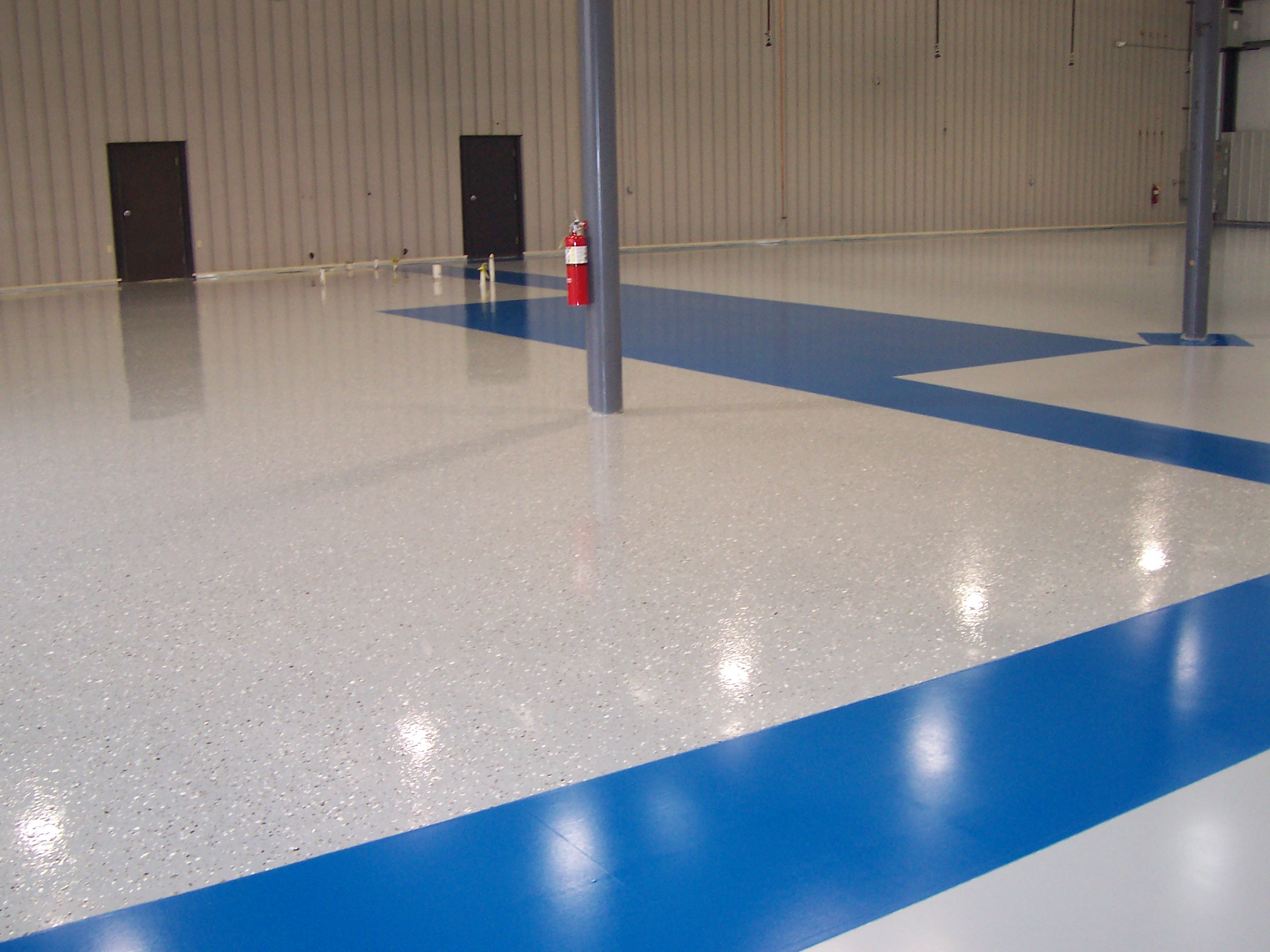
At Preferred, Inc. - Fort Wayne, we’ve served industrial and commercial facilities throughout Northeast Indiana since 1973, with more than 40 years specifically in epoxy and urethane flooring. A few things that shape how we run flooring projects:
- We use our own employees on every job, not subcontracted crews
- We own our surface prep, grinding, and shot-blasting equipment, so scheduling isn’t dependent on rental availability
- Every project starts with a pre-job meeting so the crew understands the facility’s specific safety and operational requirements before work begins
- We walk every facility and evaluate actual chemical exposure, traffic, and conditions before recommending a system, rather than quoting a one-size-fits-all solution
If you’re in the process of evaluating flooring contractors for a plant, warehouse, or processing facility, we’re happy to walk the space and answer these questions directly. Get a free estimate or explore our Epoxy Flooring Guide for more detail on planning an industrial flooring project from budgeting through final walkthrough.