A leaking roof rarely announces itself on a convenient schedule. It shows up as a wet spot over a production line, a stained ceiling tile in the break room, or a maintenance call after a storm — and the priority becomes finding roof repair near me fast enough to get someone out and patch it. That instinct is right. What's harder to know without an experienced eye on the roof is whether a patch is actually enough, or whether you're about to spend money fixing a system that's already failed.
For facility managers responsible for industrial and commercial buildings, that distinction matters. A repair buys time and protects the budget. A replacement made too late costs more in water damage, downtime, and emergency labor than it would have cost to plan for. Here's how to tell which situation you're in, and what a professional roof inspection actually looks for before making that call.
Why This Decision Is Easy to Get Wrong
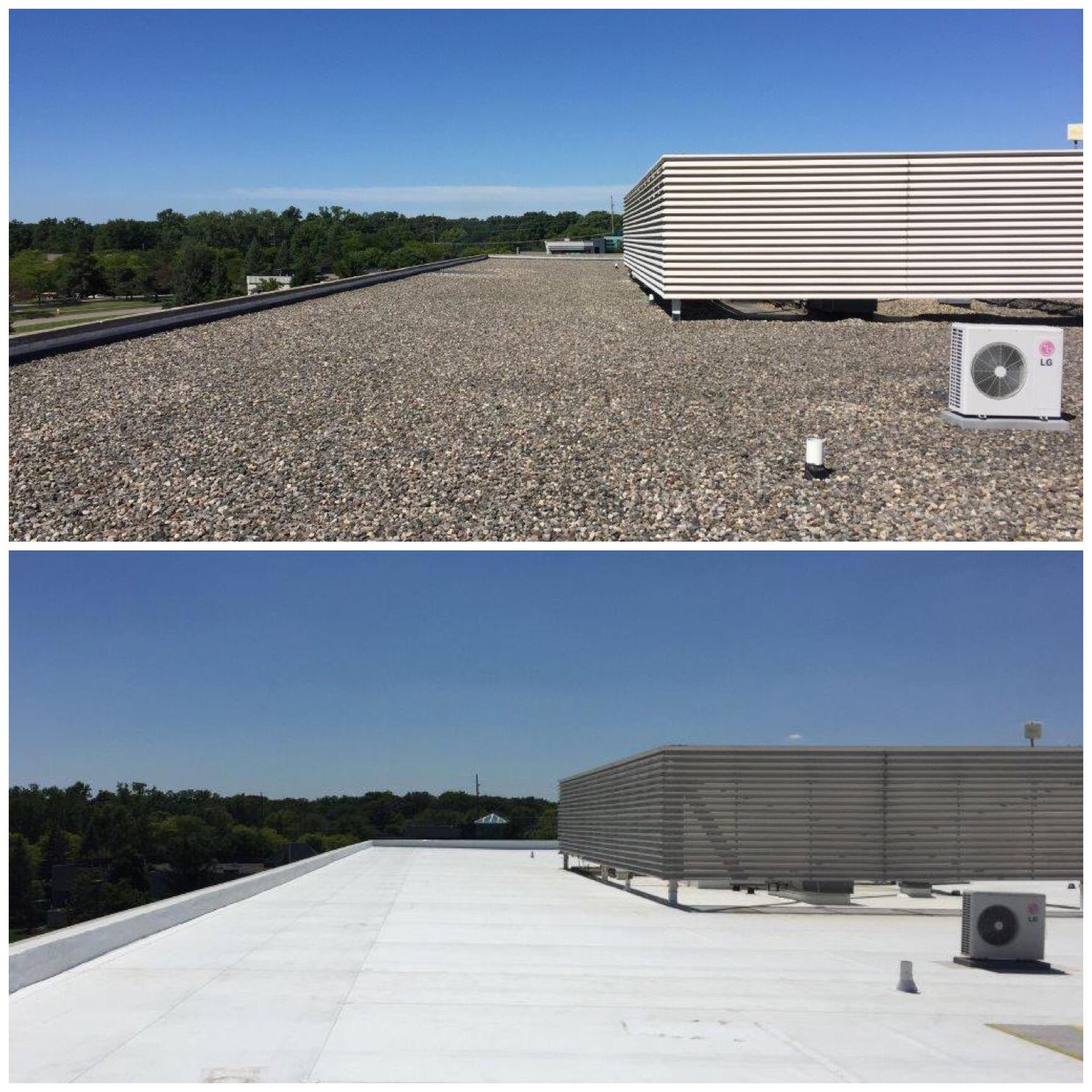
Commercial and industrial roofs are large, low-slope systems, so damage in one spot doesn't always mean the whole roof is compromised — and a roof that looks fine from the ground can be hiding saturated insulation or failing seams. Without a proper inspection, it's easy to either overspend on a full commercial roof replacement that wasn't necessary, or underspend on a patch that will fail again within a year. The goal is to match the fix to what's actually happening underneath the membrane, not just what's visible at the leak point.
Signs a Repair Will Solve the Problem
In many cases, a targeted repair is all a roof needs — especially when the damage is localized and the rest of the membrane is still performing well:
• An isolated puncture, tear, or seam separation, particularly on TPO roofing where heat-welded seams can be cut back and re-welded cleanly
• Flashing failures around a single penetration, vent, or roof edge, rather than throughout the field of the roof
• A roof that's within its expected service life and has been on a consistent maintenance and inspection schedule
Signs You're Looking at a Full Roof Replacement
A repair stops making financial sense once the underlying system has started to fail broadly rather than in one spot. Signs it's time to talk about replacement include:
- Leaks recurring in multiple, unrelated areas of the roof rather than one repeat trouble spot
- Insulation that's saturated — wet insulation won't dry out on its own and will keep causing leaks and energy loss until it's replaced
- A membrane that's brittle, cracking, or losing its seams broadly, which is common once a roof passes its expected lifespan
- A history of repeated emergency repairs to the same system over the past year or two, which usually costs more over time than one planned replacement
What a Professional Roof Inspection Tells You
The only reliable way to tell which category a roof falls into is a hands-on inspection by a commercial roofing company that works on industrial buildings regularly. At Preferred, Inc. – Fort Wayne, that inspection looks at membrane condition, flashing details, drainage performance, and rooftop penetrations, along with the building's construction, deck type, and traffic patterns — all factors that affect how a roof should be repaired or replaced.
For roofs where hidden moisture is a concern, an infrared roof scan can locate wet insulation beneath an intact-looking membrane before it turns into a leak. That's the kind of information that turns a repair-or-replace decision from a guess into a documented, budget-ready recommendation.
Get a Clear Answer Before You Spend a Dollar
When you need roof repair near me, the most cost-effective next step isn't guessing — it's getting a professional assessment of what's actually happening on the roof. Preferred, Inc. – Fort Wayne offers roof inspections and free estimates for industrial and commercial buildings across the region, and can tell you honestly whether your roof needs a repair, a re-roof, or a full replacement. Contact us to schedule a roof inspection and get a straight answer on repair vs. replacement for your facility