
Workplace safety is a top priority for industrial facilities, yet one of the most overlooked contributors to accidents is the floor itself. From slip hazards to chemical exposure, the condition and composition of your flooring system directly impact employee safety and operational efficiency. The right industrial flooring solution does more than support heavy equipment - it actively reduces risk and helps create a safer working environment.
The Connection Between Flooring and Workplace Safety
Industrial environments are high-demand spaces. Forklift traffic, liquid spills, heavy machinery, and constant foot traffic create conditions where accidents can occur quickly. According to OSHA, slips, trips, and falls are among the most common workplace injuries across industries.
Flooring plays a central role in preventing these incidents. A properly installed industrial flooring system provides:
- Slip resistance in wet or high-traffic areas
- Seamless surfaces that reduce trip hazards
- Chemical resistance to prevent surface breakdown
- Durability under heavy loads
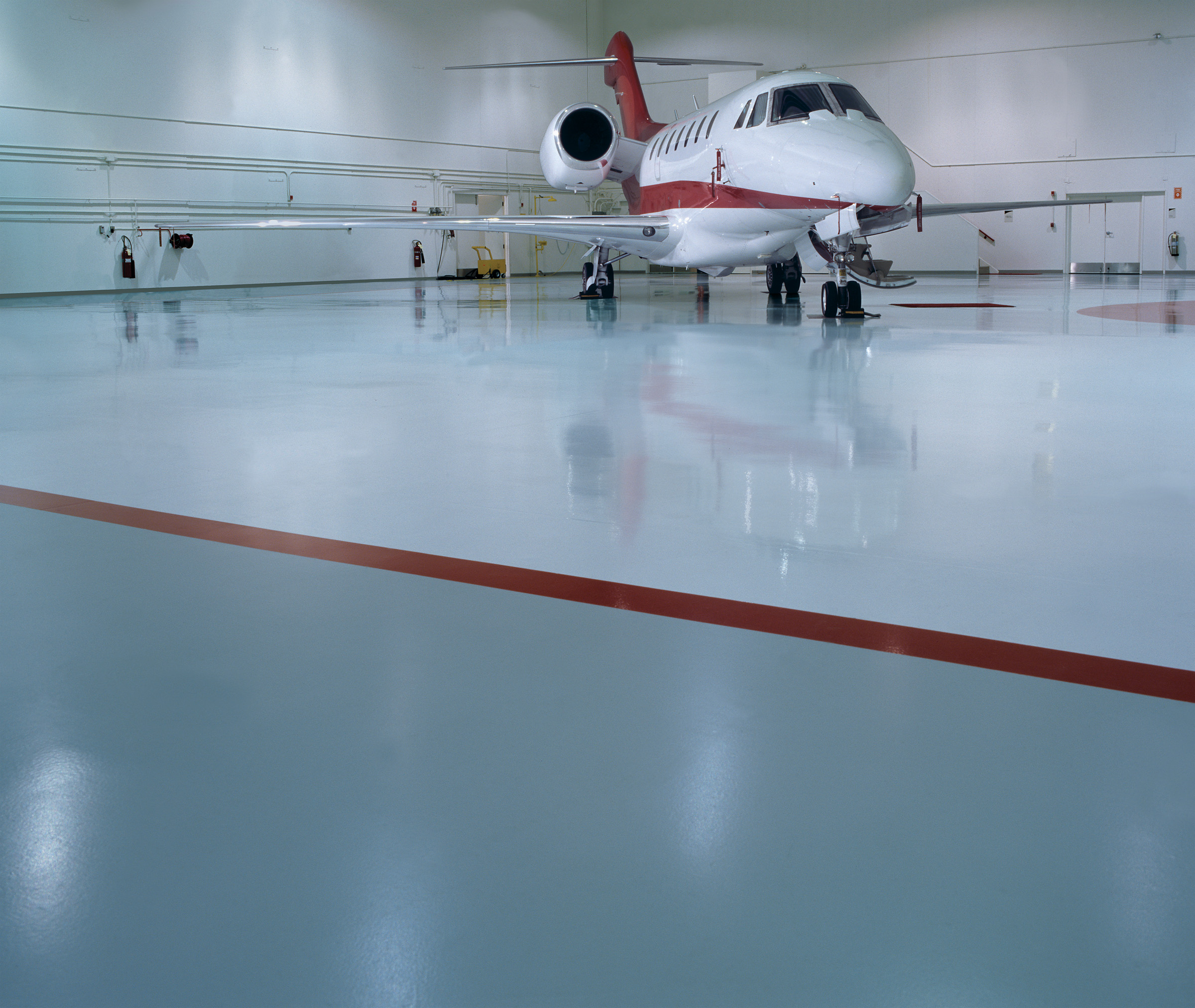
- Clear visibility for walkways and safety markings
When flooring is selected with safety in mind, it becomes an active part of your risk management strategy.
Slip-and-Fall Prevention Starts at the Surface
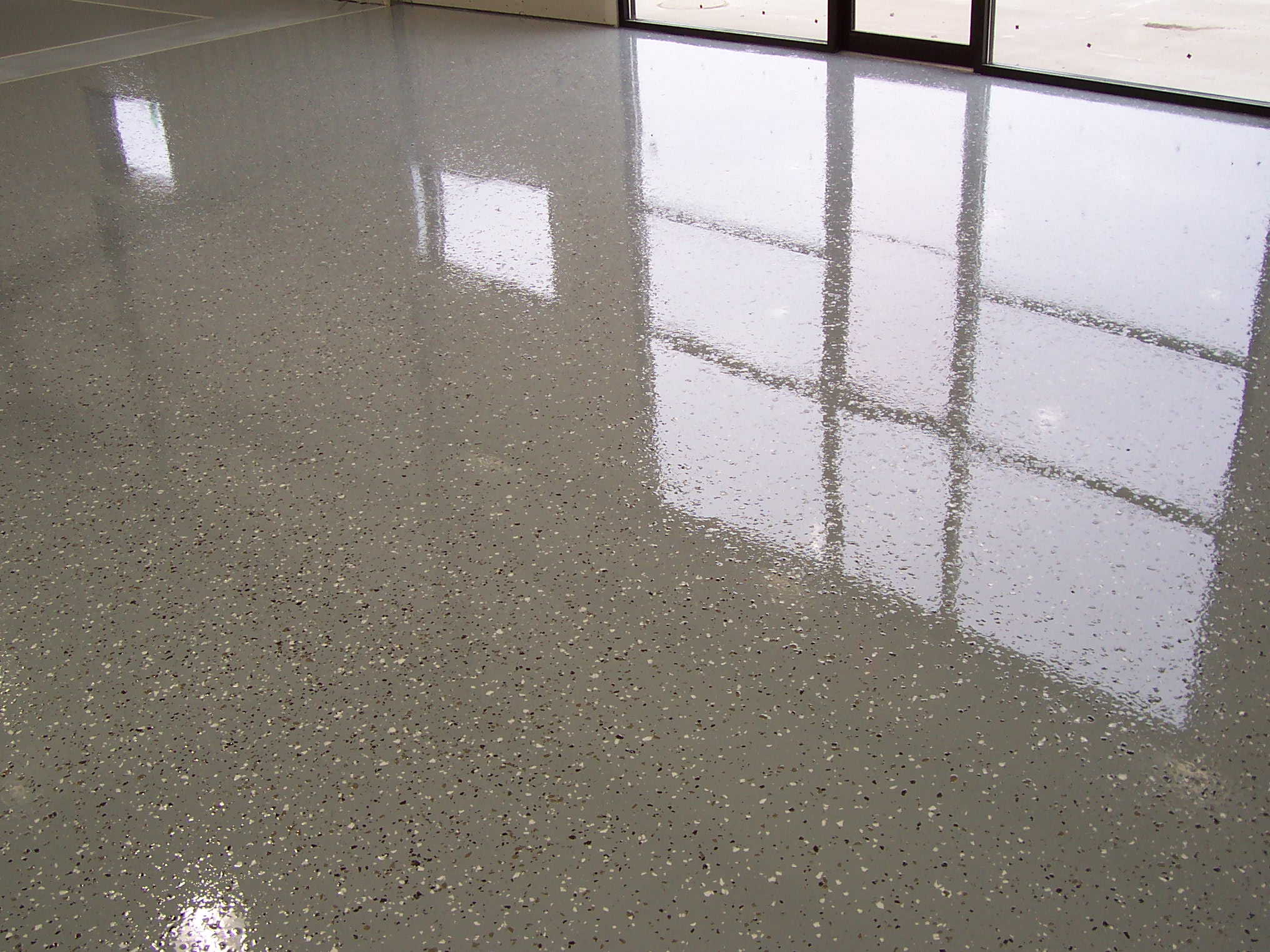
Slip-and-fall incidents often result from moisture, oil, dust buildup, or worn surfaces. Industrial flooring systems can be engineered with textured finishes or aggregate additives that increase traction without compromising cleanability.
For example, epoxy and urethane flooring systems can be customized to provide slip-resistant finishes suited for production areas, washdown zones, or chemical processing spaces. Polished concrete can also be treated to enhance traction while maintaining a smooth, low-maintenance surface.
The key is matching the flooring system to the facility’s specific risks. Areas exposed to water or oils require a different surface profile than dry warehouse environments. A knowledgeable contractor will evaluate traffic patterns, exposure levels, and operational needs before recommending the appropriate system.
Chemical Resistance Protects Both Floors and Employees
Industrial facilities frequently handle chemicals, solvents, fuels, and cleaning agents that can degrade standard concrete over time. When concrete deteriorates, it can create uneven surfaces, surface dust, or weakened structural areas that increase safety hazards.
Chemical-resistant flooring systems—such as urethane cement or high-performance epoxy coatings—are designed to withstand exposure without breaking down. These systems prevent absorption, resist staining, and maintain surface integrity even in harsh environments.
Seamless Flooring Reduces Trip Hazards
Cracks, joints, peeling coatings, and uneven transitions are common sources of workplace injuries. Seamless flooring systems eliminate many of these risks by creating a continuous surface across the facility floor.
Resurfacing damaged concrete or installing a seamless coating system improves safety by removing abrupt level changes and minimizing debris buildup. This not only enhances safety but also simplifies cleaning and sanitation processes.
The Role of Maintenance in Safety
Even the most advanced flooring system requires routine maintenance to maintain safety performance. Regular cleaning removes contaminants that reduce traction, while scheduled inspections help identify wear before it becomes hazardous.
Preventative maintenance ensures:
- Surface texture remains effective
- Coatings remain intact
- High-traffic areas are monitored
- Safety markings stay visible
A proactive maintenance plan helps extend the lifespan while preserving its safety benefits.
Industry-Specific Flooring Considerations
Different industries face unique safety challenges. Manufacturing facilities may require impact resistance and chemical durability. Warehouses prioritize slip resistance under heavy forklift traffic. Food processing environments demand seamless, sanitary surfaces with moisture resistance. Each environment requires a tailored solution.
Partnering with an experienced industrial flooring contractor ensures your system is selected and installed with both safety and performance in mind.
Protect Your Workforce With the Right Flooring System
By investing in slip-resistant, chemical-resistant, and properly maintained flooring systems, facilities can significantly reduce injury risks while improving operational efficiency. If your facility is evaluating flooring upgrades or safety improvements, our team can help you select a system designed to protect both your employees and your operations. Contact us today to discuss your industrial flooring safety needs and request a quote.