
In food and beverage environments, flooring does far more than support foot traffic; it plays a direct role in safety, sanitation, compliance, and operational efficiency. From commercial kitchens to large-scale processing plants, the wrong flooring system can lead to contamination risks, safety hazards, and costly downtime.
Choosing the right food and beverage flooring is not just a facility upgrade; it’s a critical investment in performance and protection.
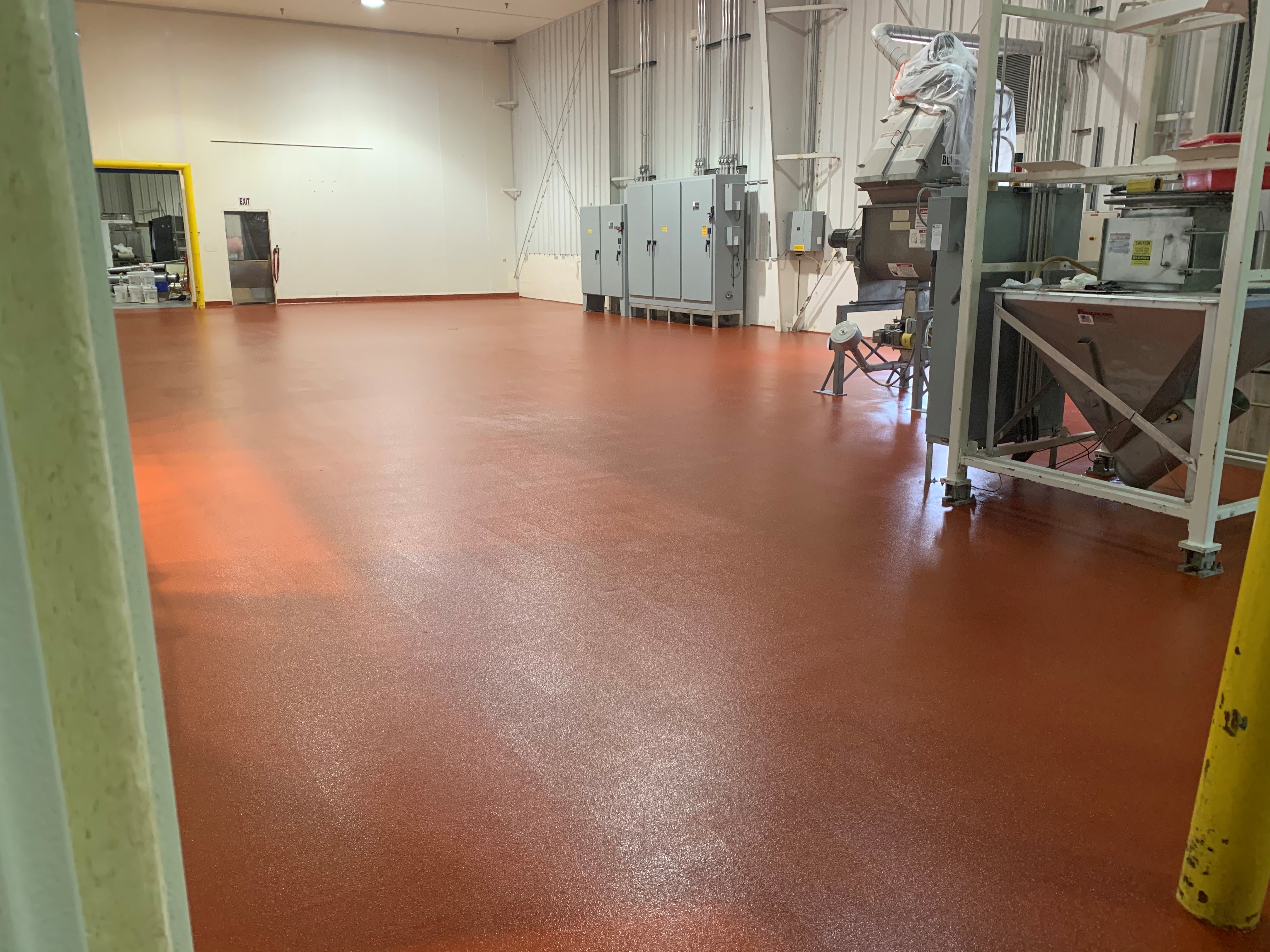
Why Flooring Matters in Food & Beverage Facilities
Food and beverage environments are among the most demanding in any industry. Floors are exposed daily to moisture, temperature swings, heavy equipment, cleaning chemicals, and constant traffic. Over time, standard concrete or outdated coatings can break down, creating cracks, surface wear, and areas that are difficult to clean.
These issues can lead to:
- Increased slip risks for employees
- Bacteria growth in damaged surfaces
- Compliance concerns during inspections
- Frequent repairs and unexpected downtime
A properly designed flooring system eliminates these vulnerabilities by creating a seamless, durable surface built specifically for food-safe environments.
Key Requirements for Food and Beverage Flooring
To perform effectively, flooring in food and beverage facilities must meet several critical requirements. These aren’t optional features—they are essential for maintaining safety and compliance.
1. Sanitary and Seamless Surfaces
Seamless flooring prevents bacteria, moisture, and debris from collecting in cracks or joints. This is especially important in processing areas and commercial kitchens where sanitation standards are strict.
2. Slip Resistance
Wet conditions are unavoidable in food production and kitchen environments. Flooring systems must provide consistent traction to reduce the risk of slips and falls, even under heavy use.
3. Chemical Resistance
Cleaning agents, sanitizers, oils, and food byproducts can degrade standard flooring materials. High-performance industrial floor coatings are designed to withstand these substances without breaking down.
4. Thermal Shock Resistance
Hot water washdowns and rapid temperature changes can damage traditional flooring. Systems used in food environments must handle these fluctuations without cracking or failing.
5. Durability Under Heavy Traffic
From forklifts to carts and constant foot traffic, flooring must hold up under continuous use without deteriorating.
Best Flooring Options for Food and Beverage Facilities
Not all flooring systems are created equal. The best solution depends on your specific environment, but several options consistently perform well in food and beverage settings.
Urethane Cement Flooring
Widely considered the gold standard for food and beverage facilities, urethane cement offers exceptional durability, chemical resistance, and thermal stability. It performs well in wet environments and stands up to aggressive cleaning processes, making it ideal for processing plants and commercial kitchens.
Epoxy Flooring Systems
Epoxy flooring provides a seamless, durable surface with strong chemical resistance. It’s a cost-effective option for areas with moderate thermal exposure and is often used in packaging areas, storage spaces, and dry production zones.
Polished Concrete
While polished concrete alone may not meet all food-grade requirements, it can be enhanced with sealers or coatings for use in certain areas such as dry storage or distribution spaces. It offers durability and easy maintenance when properly treated.
Where Flooring Performance Matters Most
Different areas within a food and beverage facility have different demands, and flooring should be selected accordingly.
- Commercial kitchens require slip-resistant, easy-to-clean surfaces that can handle grease, water, and heat
- Processing areas need seamless, sanitary flooring with strong chemical and thermal resistance
- Cold storage environments require flooring that performs under low temperatures without becoming brittle
- Loading docks and warehouses need durability for heavy traffic and impact resistance
A one-size-fits-all approach rarely works. The most effective facilities use tailored solutions for each space.
The Cost of Choosing the Wrong Flooring
Cutting corners on flooring can lead to more than just surface-level problems. Poor flooring choices often result in:
- Frequent repairs and maintenance costs
- Increased safety incidents
- Failed inspections or compliance issues
- Product contamination risks
- Operational downtime
Over time, these costs far outweigh the initial investment in a high-performance flooring system.
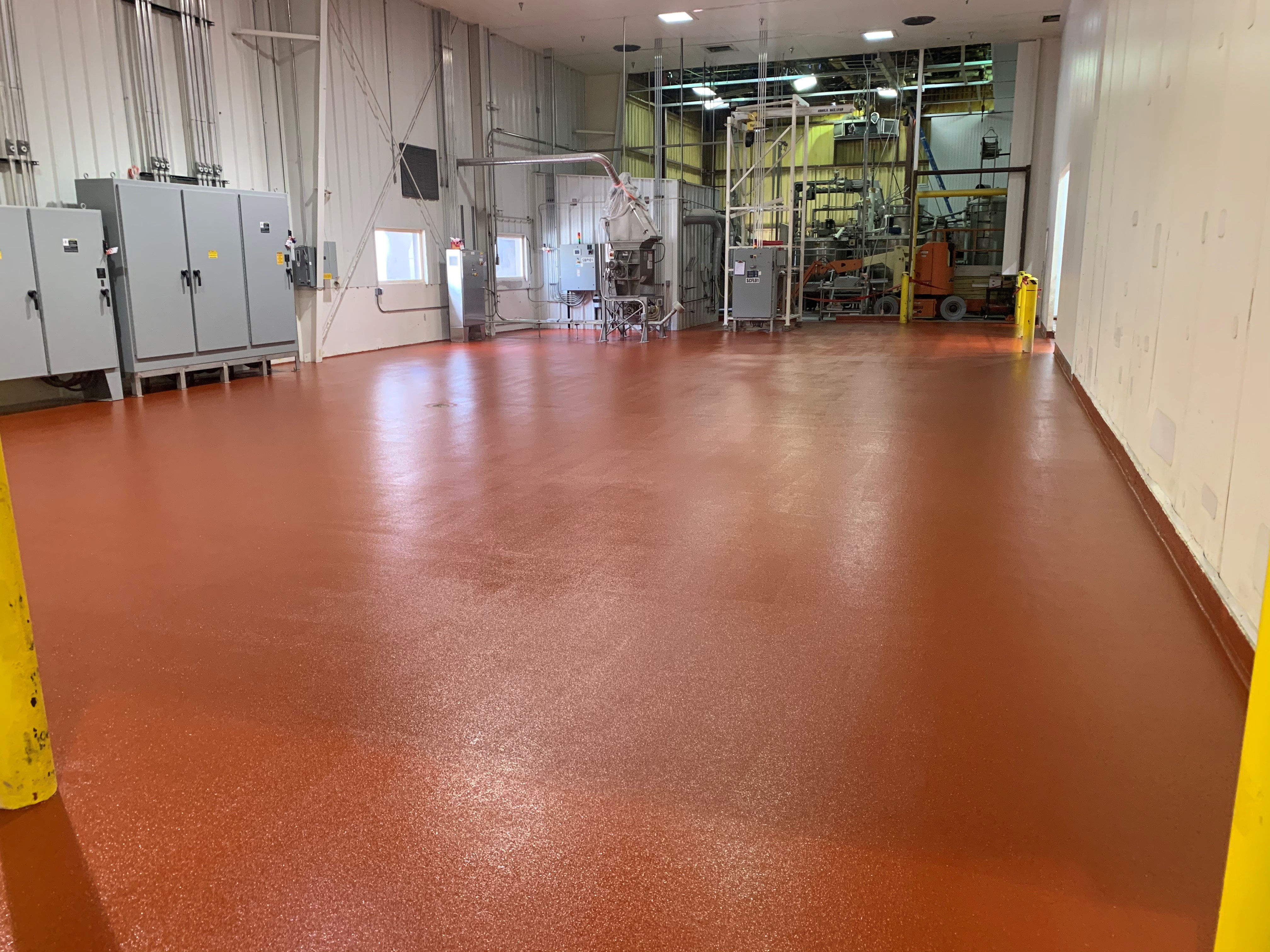
Upgrade Your Facility with High-Performance Food and Beverage Flooring
Even the highest-quality food and beverage flooring system can fail without proper installation, making expert application just as important as the materials themselves. From thorough surface preparation to selecting the right system for your environment, experienced contractors ensure your flooring meets strict safety, sanitation, and performance standards while minimizing disruption to your operations. Choosing a knowledgeable partner with industry experience, proven materials, and ongoing support helps you avoid costly mistakes and ensures long-term durability. Investing in professionally installed food and beverage flooring ultimately protects your facility, reduces risk, and keeps your operation running efficiently—whether you’re upgrading an existing space or starting fresh.