
A TPO roofing system is one of the most durable and energy-efficient options for commercial and industrial buildings, but like any flat roofing system, it needs proper care to reach its full lifespan. Regular maintenance, timely repairs, and professional inspections can help you avoid unexpected leaks, operational disruptions, and premature replacement costs.
If you want your TPO roof to perform at its best, here’s what every facility manager should know.
Why TPO Roofing Requires Consistent Maintenance
TPO (Thermoplastic Polyolefin) is popular because it’s lightweight, flexible, and highly reflective. But because it’s installed in large sheets and welded at the seams, any weakness at those seams can quickly turn into water intrusion.
Routine maintenance helps you:
- Catch early signs of seam separation
- Prevent membrane punctures from becoming leaks
- Protect HVAC, wiring, and equipment below the roof
- Maximize warranty coverage
- Avoid costly emergency repairs
A well-maintained TPO roof can last 25–30 years, but only if problems are addressed early.
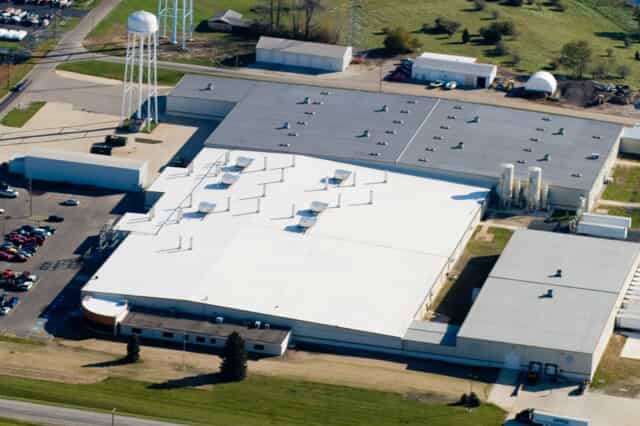
Common TPO Roofing Issues Facility Managers Should Monitor
While TPO is known for its durability, certain issues appear over time—especially on busy industrial or high-traffic rooftops.
1. Punctures and Tears
Foot traffic, tools, sharp debris, or dropped equipment can puncture the membrane.
2. Flashing Failure
Around skylights, vents, HVAC units, or parapet walls, flashing can deteriorate, often the first sign of future leaks.
3. UV and Heat Degradation
Although reflective, long-term sun exposure can dry out or crack the surface if not monitored.
Catching these issues early keeps repair costs low and prevents operational interruptions.
Signs Your TPO Roof Needs Repair
Facility managers should give Preferred, Inc. - Fort Wayne a call if they notice:
- Water stains inside the facility
- Membrane bubbles or blisters
- Visible cracks or tears
- Soft or spongy insulation under the membrane
- Standing water for more than 48 hours after rainfall
- Loose flashing
- Increased HVAC costs (sign of compromised insulation)
Even small problems can escalate quickly, making routine inspections essential.
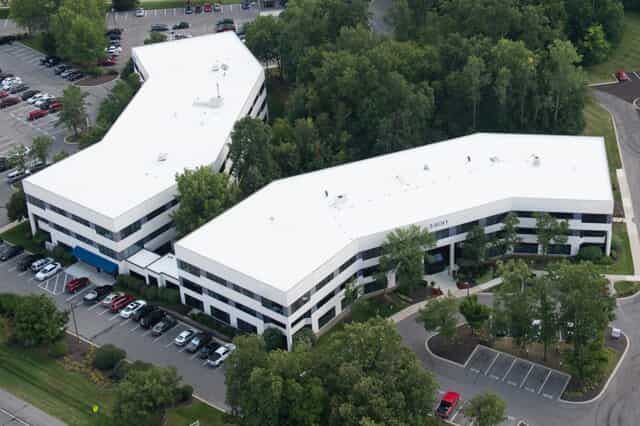
Preventative Maintenance Tips for Your TPO Roofing System
Taking proactive steps will extend your roof’s life and reduce repair frequency
1. Schedule Twice-Annual Roof Inspections
Spring inspections catch winter damage; fall inspections prepare your roof for storms and freezing temperatures.
2. Keep Your Roof Clean
Remove debris that can trap moisture or puncture the membrane.
3. Protect High-Traffic Areas
Use walkway pads around HVAC units and along routes maintenance teams frequently use.
4. Clear Drains and Gutters
Good drainage prevents puddling.
5. Seal Small Failures Right Away
Immediate minor repairs prevent major water intrusion later.
6. Maintain Surrounding Infrastructure
Fix loose equipment, leaking AC units, or rusting rails that might compromise the membrane.
Work with Experienced Commercial Roofers to Protect Your TPO Roofing System
TPO repairs require specialized tools, proper heat-welding techniques, and trained professionals who understand how to prevent leaks and preserve your warranty. A qualified commercial roofing team will identify the root cause of issues, perform accurate heat-welded seam repairs, ensure all patches meet manufacturer standards, provide preventative maintenance plans, and document all work for warranty and facility records. Partnering with experienced commercial roofers helps you maximize roof performance, avoid emergency repairs, and protect your long-term investment.
Your TPO roofing system is a major asset, one that deserves expert oversight and consistent care. Whether you need routine inspections or targeted repairs, our team is here to help extend the life of your flat roof and prevent costly downtime.
Contact us today to schedule a TPO roof inspection.